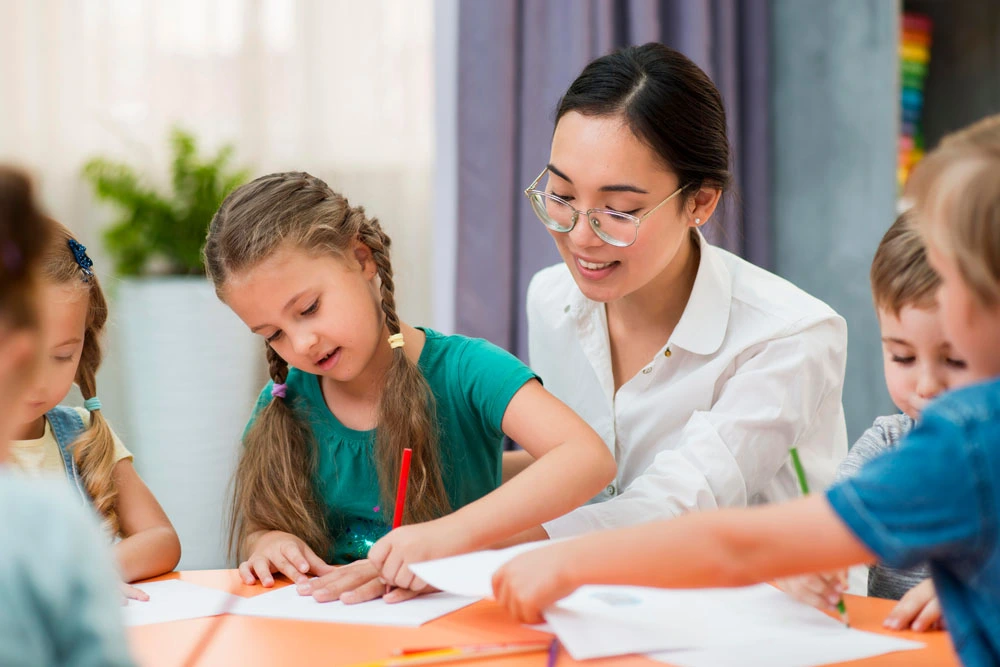







Long before a child steps into a classroom, learning has already begun.
It doesn’t start with textbooks or timetables. It starts at home, in the quiet, repetitive, often unnoticed moments between a mother and her child.
The way she speaks. The way she responds. The way she comforts, corrects, encourages, and guides.
These early interactions may seem simple, even routine. But they form the foundation of how a child learns, thinks, and sees the world.
By the time a child enters school, they are not starting from zero.
They have already been shaped by their first teacher.
Learning Begins in the Everyday
There is no formal lesson plan at home.
And yet, learning happens constantly.
A mother naming objects as she moves through the day teaches language.
Reading a bedtime story builds imagination and listening skills.
Answering endless “why” questions encourages curiosity.
Letting a child try and struggle teaches problem-solving.
These moments rarely feel like teaching. They are simply part of daily life.
But this is where learning feels natural and safe.
Children do not absorb just information in these moments. They absorb attitudes towards learning, towards mistakes, and towards themselves.
Curiosity Is Either Nurtured or Quietly Shut Down
Young children are naturally curious.
They ask questions freely. They explore without fear. They are willing to try, fail, and try again.
But this curiosity is fragile.
A mother who listens patiently, answers thoughtfully, and sometimes says, “Let’s find out together,” sends a powerful message. Curiosity is welcome.
On the other hand, constant dismissal can slowly reduce a child.to silence. Comments like “Don’t ask so many questions” or “Just follow instructions” may seem minor , but they build hesitation over time.
The difference is often unintentional. It comes from busy schedules, stress, and long days.
But the impact lasts.
A child who feels safe asking questions continues learning with confidence. One who doesn’t may begin to hold back.
Confidence Is Built Before It Is Tested
In school, children are evaluated.
At home, they are shaped.
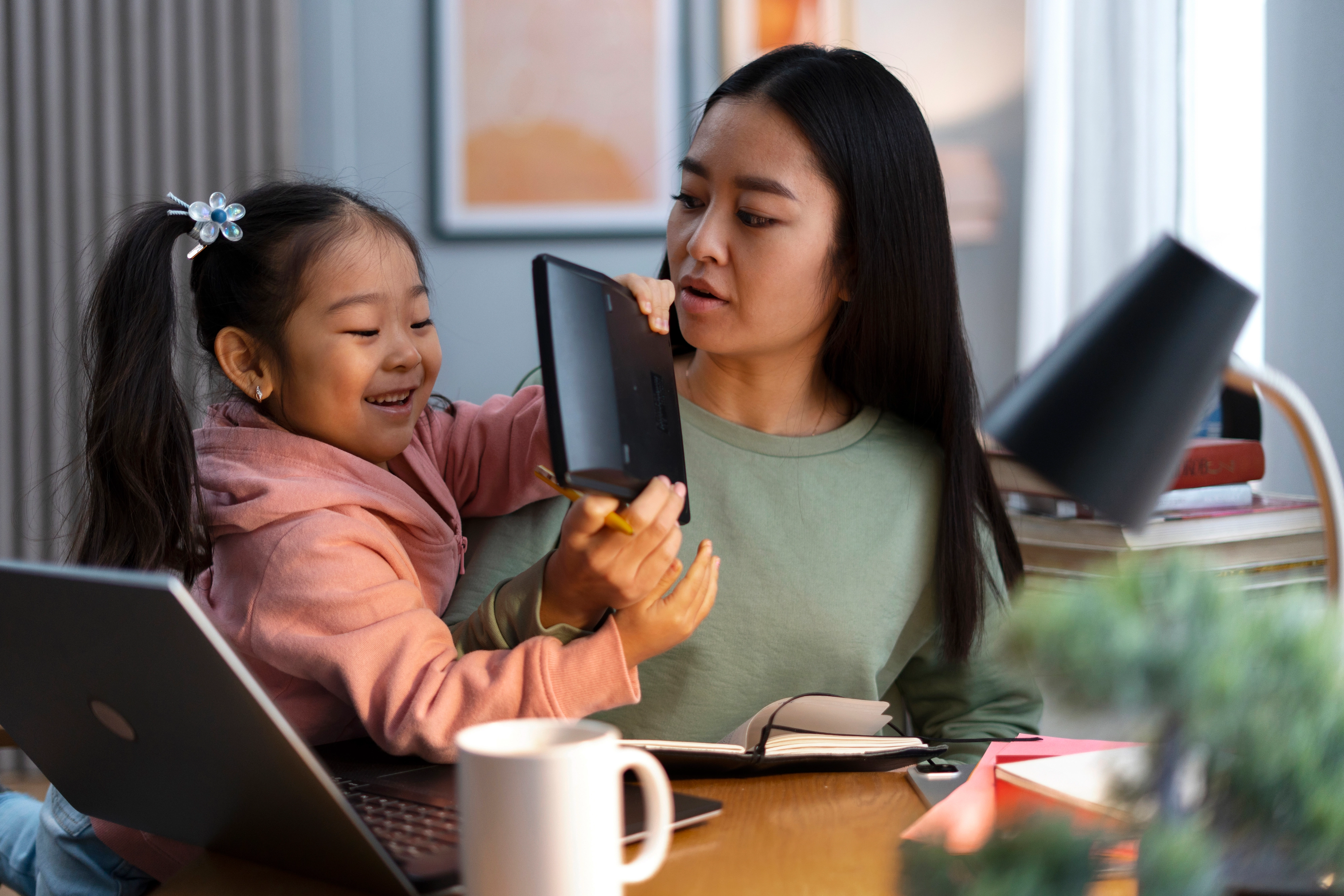
Before a child raises his hand in class or attempts something difficult, he already carries an inner voice formed by earlier experiences.
A mother plays a big role in shaping that voice.
Encouragement, patience, and trust build a sense of capability:
- “You can try.”
- “It’s okay to make mistakes.”
- “Let’s do this step by step.”
Over time, these messages are internalized.
Children begin to believe that they are able to figure things out.
Confidence does not come from always getting things right. It comes from feeling supported while learning.
Attitudes Towards Mistakes Start at Home
Every child will struggle at some point.
They will get answers wrong, forget things, feel frustrated.
What matters is how they interpret these moments.
If mistakes are met with pressure or disappointment, children may begin to fear getting things wrong. They may avoid challenges or are unlikely to respond to them.
If mistakes are treated as part of learning, something shifts.
Children become more willing to try. More open to feedback. More resilient.
Many mothers teach this without long explanations. It is revealed in how they respond.
A calm, steady reaction teaches more than any lecture.
Discipline Is Quietly Inculcated
Discipline does not begin with school rules.
It begins at home through minor, repeated habits.
Finishing what was started.
Tidying up after playing.
Completing simple tasks.
Following routines.
These actions may feel basic, but they build something deeper. The ability to manage oneself.
A child who learns to follow through, stay organised, and respect routines carries those habits into school.
Discipline is not taught in one moment. It is built over time.
Emotional Security Supports Learning
Learning is not just about thinking. It is also about feeling.
A child who feels anxious or overwhelmed often struggles to focus.
A child who feels safe is more open to learning.
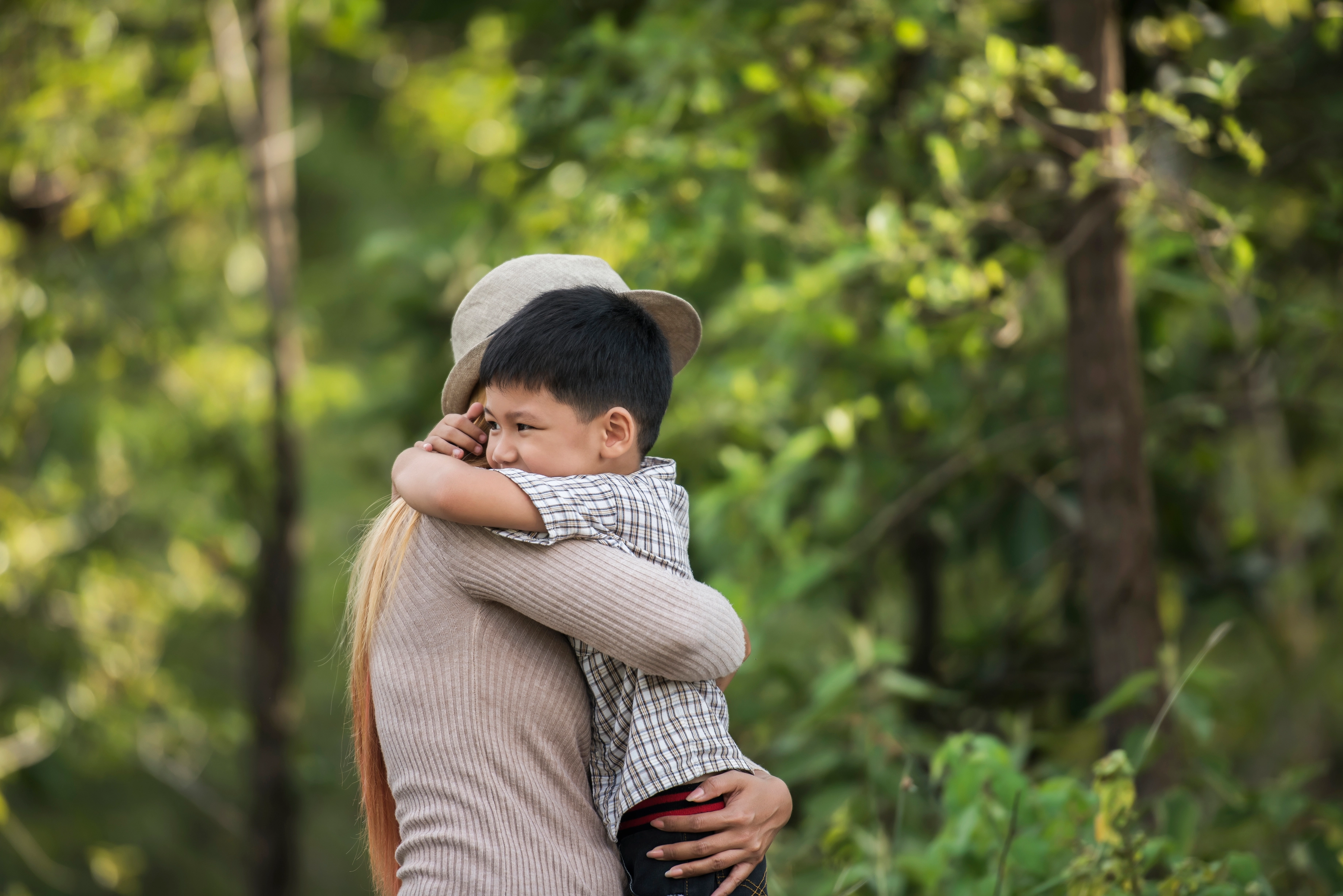
Mothers play a central role in creating this emotional base.
Listening when a child is upset.
Reassuring them after a difficult day.
Helping them process feelings.
Being present without judgement.
These actions may not look like education, but they are deeply connected to it.
A calm child learns better. A secure child tries more.
Values Are Inculcated Without Formal Lessons
Schools teach subjects.
But values are shaped at home.
Respect. Responsibility. Kindness. Effort. Integrity.
Children watch how their mothers speak, react, and make decisions.
They notice much more than we think.
A mother who treats others with respect teaches respect.
A mother who keeps her word teaches reliability.
A mother who persists through difficulty teaches resilience acquired through endurance.
These lessons are absorbed quietly, but they stay ingrained in the character of the child.
Learning Continues Beyond School
Education does not stop when school ends.
At home, learning continues in simple ways.
A conversation about school deepens understanding.
Cooking together teaches sequencing and patience.
A trip to the supermarket becomes a lesson in numbers and choices.
Reading together builds focus and imagination.
These moments show children that learning is part of life.
Not just something that happens just in a classroom.

The Pressure Mothers Carry
This role is not always easy.
Mothers today carry a lot. Supporting academics, managing schedules, being emotionally present, and trying to make the right decisions.
Some days go smoothly. Others do not.
There will be moments of impatience. Missed routines. Tired responses.
That is real life.
What matters is not perfection. It is showing up again and again.
Children do not need a perfect teacher at home. They need a one who is present to them in so many ways,
It’s Not About Doing More
With so much focus on tuition both within and outside the classroom and enrichment activities of various kinds, it is easy to feel that more must always be done.
But shaping a child’s learning journey at home is not about adding more activities.
It is about how everyday moments are experienced and handled.
Being present during conversations.
Allowing time for questions.
Responding with patience.
Encouraging effort.
Giving space to try and fail.
These things do not require extra resources.
They require attention.
Final Thought
Before any teacher, classroom, or curriculum, a child learns from the person closest to them.
A mother’s influence may not always appear on a report card.
But it shows in how a child approaches challenges, speaks to others, manages emotions, and sees themselves.
To every mother who has answered one more question, listened to one more story, stayed patient on a difficult day, and quietly guided a child forward, what you do matters much more than it seems.
You are shaping how your child learns, grows, and believes in himself.
This May, may you feel seen, appreciated, and gently reminded of the quiet but powerful role you play every single day.