






There was a time when parenting goals felt much simpler.
Parents wanted children to study hard, get good grades, enter a well-respected university, and eventually secure a stable career. Academic achievement was often seen as the clearest path towards success.
But in 2026, something is shifting.
Parents still care about results, of course. Exams still matter. Tuition centres are still busy every weekend.
Yet more families are beginning to ask a deeper question:
What kind of person is my child becoming while chasing those results?
It reflects a growing change in how modern parents view success. Increasingly, families are looking beyond grades and paying closer attention to emotional wellbeing, confidence, resilience, life skills, and balance.
Because many parents have realised something important: a child may appear successful on the surface and on paper and still be struggling deep within.

The “Busy Child” Is No Longer the Ideal
For years, packed schedules became a symbol of good parenting.
School. Tuition. Piano. Coding class. Swimming. Weekend workshops.
Some children barely had time to breathe between activities.
At one point, overscheduling almost felt normal. Parents worried that slowing down meant falling behind.
But now, many families are quietly pulling back.
More parents are noticing the signs of burnout in children. Exhaustion. Irritability. Anxiety. Loss of motivation.
As a result, balance is becoming a bigger priority in 2026.
Parents are protecting:
- Family time
- Rest
- Free play
- Sleep
- Screen-free moments
Many are discovering that children often become happier and calmer when they are not constantly overwhelmed.
There is also growing awareness that boredom is not always a bad thing. When children are given space, they often become more creative, curious, and independent. Some parents are intentionally leaving room for slower afternoons, outdoor play, and spontaneous family time instead of constantly filling every hour with activities.
Emotional Wellbeing Has Entered the Parenting Conversation
Today, parents are paying much closer attention to emotional health.
There is growing awareness that emotional wellbeing affects learning, confidence, friendships, motivation, and behaviour.
Instead of asking only, “How did he score?” many parents are also asking:
- “Is he coping well?”
- “Does he enjoy learning?”
- “Is he constantly anxious?”
- “Does he feel confident in himself?”
This shift matters because children today are growing up in a very different environment from previous generations.
They face academic pressure earlier and are exposed to constant comparison online.
Parents are realising that emotional resilience is no longer optional. It is essential.
More families are also encouraging open conversations at home. Children are being taught that it is okay to express emotions, to ask for help, and to talk honestly about stress instead of bottling everything up.
Soft Skills Are Suddenly a Big Deal
Ten years ago, soft skills were often treated as bonus qualities.
Now, they are becoming central.
Parents have become increasingly aware that the future workplace may reward adaptability, communication, and critical thinking just as much as academic knowledge.
Technology continues to reshape industries rapidly, and many future jobs may look very different from today’s careers.
That is why many parents are prioritising:
- Confidence
- Communication
- Creativity
- Leadership
- Problem-solving
- Teamwork
- Emotional intelligence.
A child who is able to adapt, collaborate, and communicate well may be better prepared for life than someone who has only acquired superficial knowledge without the ability to apply, analyse, synthesise and critically evaluate the knowledge he has acquired.
Parents Are Rethinking the Meaning of Success and Fulfilment
Perhaps the biggest shift happening in 2026 is this:
Success is becoming more personal.
Many parents no longer want children to simply look successful from the outside. They want them to live meaningful, purposeful and balanced lives.
Parents are beginning to realise that a child who scores straight As but struggles to cope with setbacks may well face difficulties later in life.
Meanwhile, a child who is resilient, emotionally grounded, and adaptable may navigate the challenges of adult life with greater confidence.
The definition of success is expanding beyond academic achievement.
Parents are now also placing more value on kindness, responsibility and a strong character. Many believe these qualities will shape how children handle relationships, and challenges at work and life long after school years are over.
Technology Is Changing Childhood
Children today are growing up surrounded by screens, notifications and constant stimulation.
Many parents are becoming increasingly uneasy about how much time children spend online.
It is not just about screen time anymore. It is that excessive digital consumption may be replacing:
- Conversation
- Outdoor play
- Reading
- Attentiveness to what really matters
- Real-world interaction.
At the same time, completely removing technology is unrealistic.
So instead of banning screens entirely, many parents are trying to become more intentional about technology use.
There is a growing awareness of the need to strike a balance between the use of technology and other worthwhile pursuits. The guidelines they envisage would include:
- Using technology for learning and creativity
- Protecting offline family time
- Encouraging hobbies away from screens.
The goal is to help children to build a healthier relationship with technology.
Presence Is Becoming More Important Than Perfection
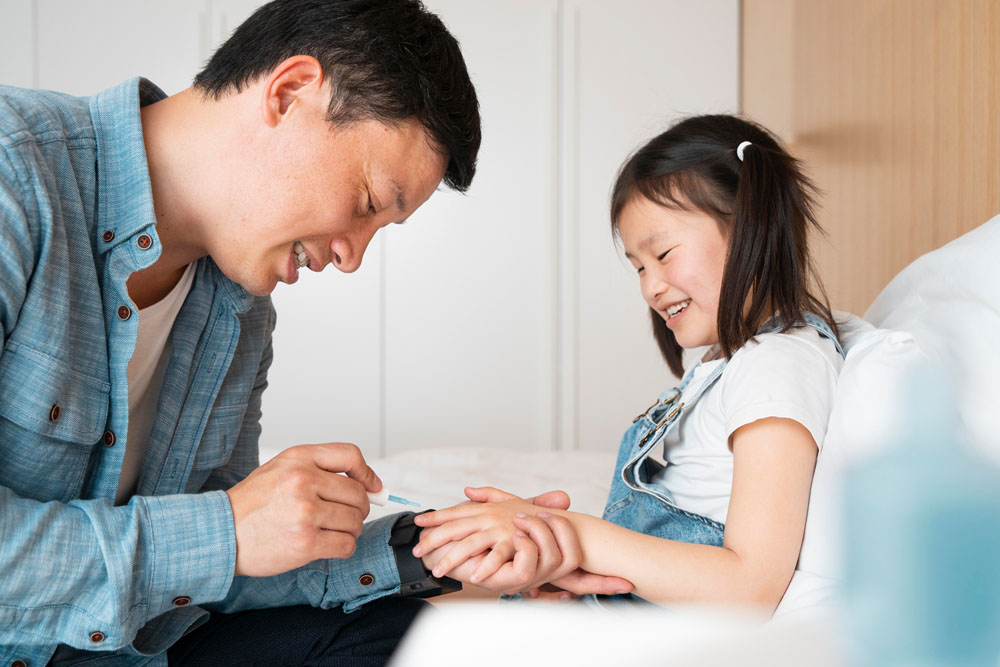
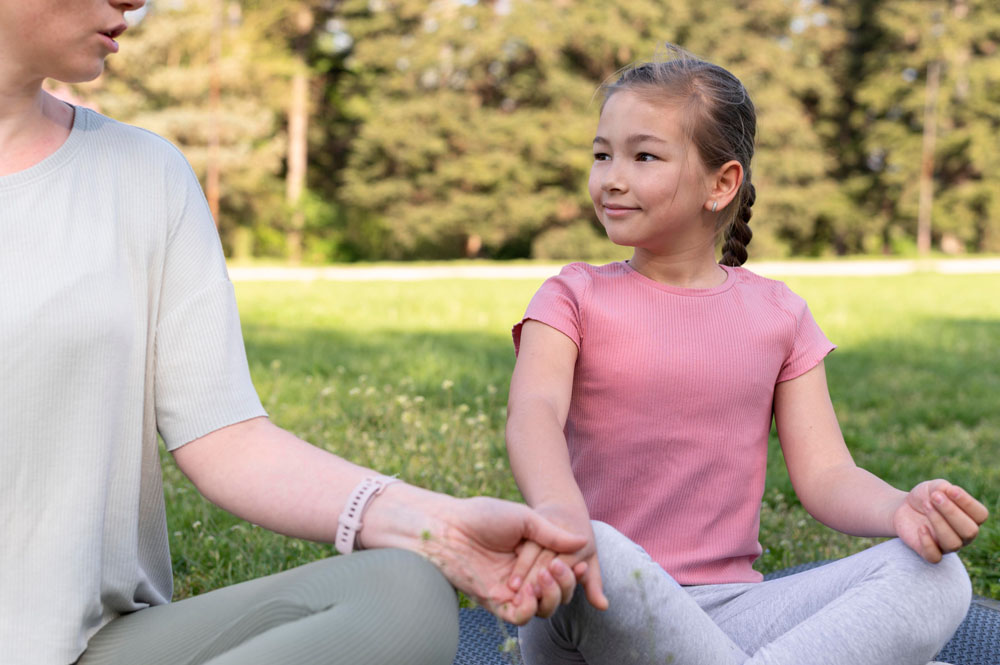
Modern parents are exhausted. There is pressure to provide opportunities, manage schedules perfectly, and raise high-achieving children. Social media has only intensified this pressure. But many parents are starting to reject the idea that their children must constantly strive for perfection in whatever they undertake. Instead, they are focusing on something simpler but more meaningful: presence. Being emotionally available. Listening attentively. Creating calm spaces at home. Children may not remember every enrichment class they attended. But they often remember how home felt.
Parents today are also learning that childhood does not need to feel like a constant race. More families are choosing to celebrate progress instead of perfection, and effort instead of invidious comparisons. Small moments such as family dinners, honest, authentic conversations, shared laughter, and emotional connection are becoming just as valuable as academic milestones. In many homes, success is no longer measured only by achievements, but also by whether a child feels secure, supported and genuinely happy while growing up.
Final Thought
Perhaps one of the most important shifts happening right now is this:
Parents are beginning to realise that a rewarding childhood is likely to achieve the twin goals of raising children who are academically successful as well as healthy and grounded The two goals are integrated in the pathway laid out for the children at home and at school. The choice of activities they pursue and the manner in which they are conducted reflect the right balance between academic achievement and emotional fulfilment and maturity.
In 2026, more families are looking beyond exam results alone.
Because while grades may open doors, qualities like resilience, confidence, emotional wellbeing, adaptability and kindness are what help children walk through them well.